
Enugu’s Emergence as a Hospitality Destination in Nigeria
Over the past few years, Enugu has quietly positioned itself as one of Nigeria’s most promising hospitality hubs.
New hotels are opening. Existing ones are upgrading. Restaurants and lounges are becoming more refined, more intentional. There’s a visible shift from basic service delivery to experience-driven hospitality.
And it makes sense.
Enugu offers something many fast-paced cities struggle with. Balance. It’s calm, accessible, and increasingly attractive for business travel, events, and leisure.
But here’s where it gets interesting.
Infrastructure alone does not build a hospitality destination.
People do.
The Skills Gap in Nigeria’s Hospitality Industry
Across Nigeria, the hospitality industry is expanding faster than the talent pipeline.
Hotels can be built in months.
Service culture takes years to develop.
Many hospitality businesses struggle with:
- Inconsistent service delivery
- Limited exposure to global hospitality standards
- A shortage of work-ready professionals
This is the gap that will ultimately define whether Enugu’s rise is sustainable or not.
Because in hospitality, the smallest details matter. And those details are delivered by people.
How Dewdrop Institute Is Building the Hospitality Workforce
At Dewdrop Institute, this gap is not just observed.
It is being solved.
We are deliberately building a pipeline of skilled, industry-ready professionals who can meet the growing demands of Enugu’s hospitality sector.
Through structured training, real-world exposure, and global-standard certification, Dewdrop Institute is positioning itself as a leading driver of hospitality workforce development in Nigeria.
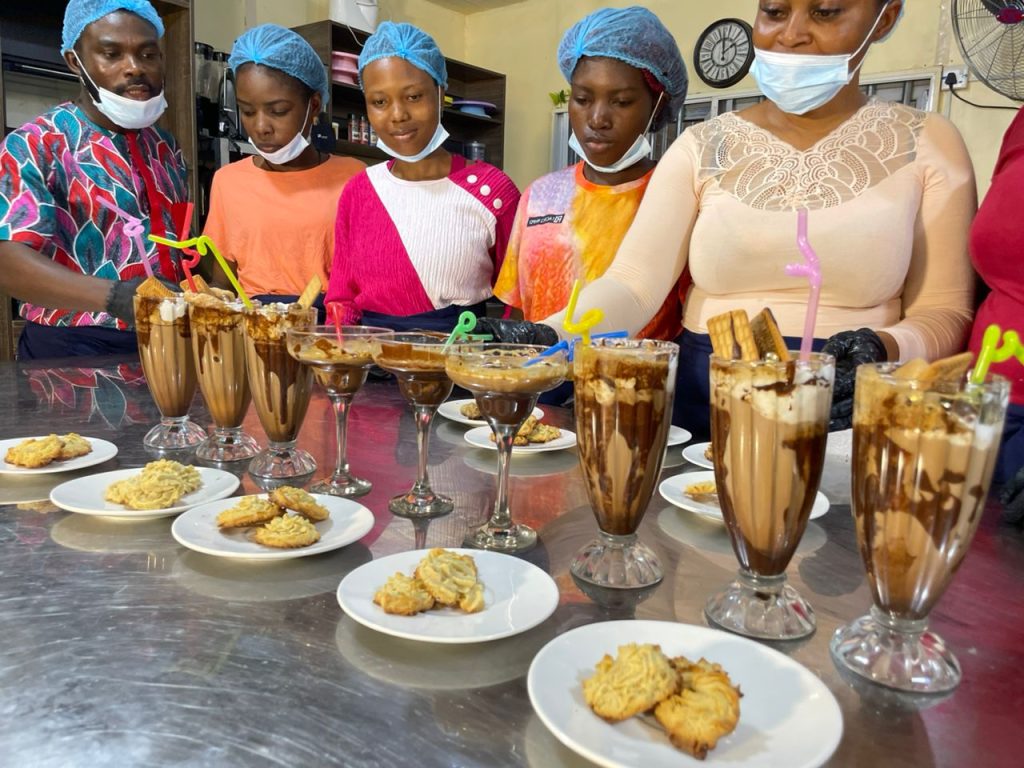
Driving Real Impact Through the IVET-IDEAS Project
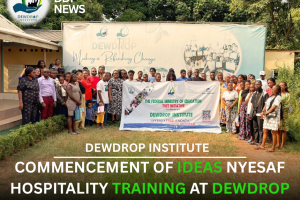
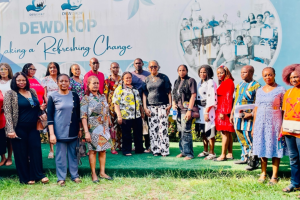
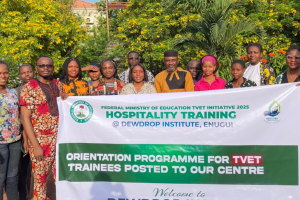
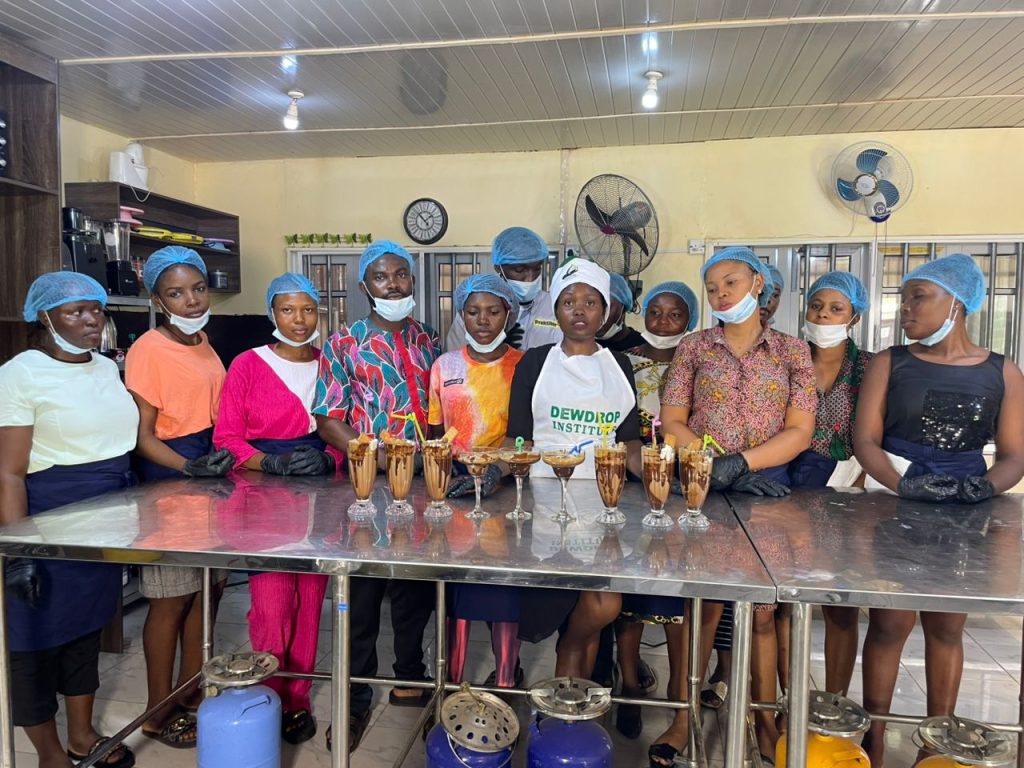
Through the TVET-IDEAS Project, Dewdrop Institute is actively training the next generation of hospitality professionals.
Right now, over 150 young people at Dewdrop Institute in Enugu are undergoing hands-on training across key hospitality service areas.
Not in theory. In practice.
These trainees are developing skills in:
- Front office operations and guest experience
- Culinary and food production
- Housekeeping and facility management
- Professional service delivery
This training is designed to match real industry expectations, ensuring that graduates are not just certified, but employable.
As the hospitality sector in Enugu continues to grow, these individuals represent a ready, capable workforce prepared to step into critical roles.
Global Hospitality Training with International Standards
Beyond IVET-IDEAS, Dewdrop Institute is raising the bar through its Global Hospitality Program.
With certifications from City & Guilds of UK, our training aligns with internationally recognized standards.
This ensures that:
- Learners gain globally competitive skills
- Employers have access to high-quality talent
- Enugu’s hospitality sector can compete on a broader stage
Because building a destination is not just about attracting visitors.
It’s about meeting and better still, exceeding their expectations.
Creating a Sustainable Hospitality Ecosystem in Enugu
The transformation happening in Enugu is real.
But sustaining it requires more than investment in infrastructure. It requires continuous investment in the people who deliver the service.
At Dewdrop Institute, we are not just training individuals.
We are contributing to the development of a sustainable hospitality ecosystem. One where businesses can rely on skilled professionals, and young people can access meaningful career opportunities.
The Future of Hospitality in Enugu
Enugu is on the path to becoming a leading hospitality destination in Nigeria.
But the true measure of that success will not be the number of hotels built.
It will be the quality of service delivered within them.
And that comes down to people.
Through the IVET-IDEAS Project and our Global Hospitality Program, Dewdrop Institute is not just supporting this transformation,
We are driving it.
Because in the end, hospitality is not defined by places.
It is defined by the quality of service delivery by the people.